
















Gemstone Certification: What It Is, Why It Matters, and When You Actually Need It
In the world of fine jewelry, every stone tells a story. But beyond its color, brilliance, or origin, there is something less visible — yet essential — that defines its true value: certification.
Understanding gemstone certification is not just for experts. It’s for anyone who wants to buy with confidence, clarity, and intention.
What Is a Gemstone Certificate?
A gemstone certificate is an official document issued by an independent gemological laboratory that identifies and describes a stone’s characteristics.
Institutions such as the Gemological Institute of America (GIA) or the International Gemological Institute (gem certification authority) (IGI) analyze gemstones using specialized equipment and standardized grading systems.
A certificate typically includes:
- Carat weight
- Measurements and proportions
- Color and clarity
- Cut (mainly for diamonds)
- Identification (natural, treated, or lab-grown)
It’s important to note:
A certificate does not determine how beautiful a stone is — it defines what the stone objectively is.
Why Certification Matters
Building Trust
When purchasing fine jewelry, especially online or internationally, trust is everything. Certification introduces a third-party verification, removing uncertainty and ensuring transparency between buyer and seller.
Protecting Your Investment
Two stones can look nearly identical and have completely different values. Without certification, it is difficult to distinguish:
- Natural vs. lab-grown gemstones
- Untreated vs. enhanced stones
- Higher vs. lower clarity
Certification ensures you are making an informed decision based on verified information.
Supporting Long-Term Value
Certified gemstones tend to hold stronger long-term credibility. They are easier to:
- Insure
- Resell
- Authenticate in global markets
Over time, the certificate becomes part of the gemstone’s identity and history.
When Do You Need Certification?
Not every piece of jewelry requires certification. The necessity depends on the importance and value of the stone.
You should strongly consider certification when:
- Purchasing a diamond, especially for engagement or milestone pieces
- Investing in a high-value gemstone
- Buying a rare or unique stone
- Needing documentation for insurance or resale
In these situations, certification becomes a key part of the buying decision.
Why Not All Gemstones Are Certified
One of the most common misconceptions is that every gemstone should come with a certificate. In reality, that is neither practical nor necessary.
Cost vs. Practicality
Certification involves laboratory analysis, which comes at a cost. For smaller or more affordable stones, this cost may not be justified, as it can represent a significant portion of the stone’s price.
Time Considerations
Certification takes time — sometimes several weeks. For brands producing collections or working with multiple stones, certifying each one would slow down production significantly.
The Nature of Certain Gemstones
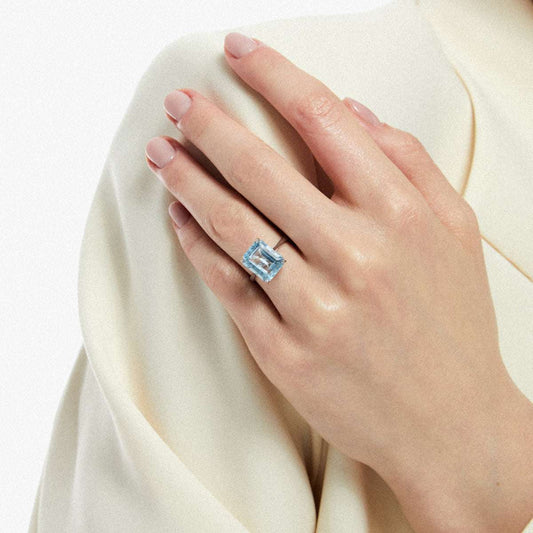
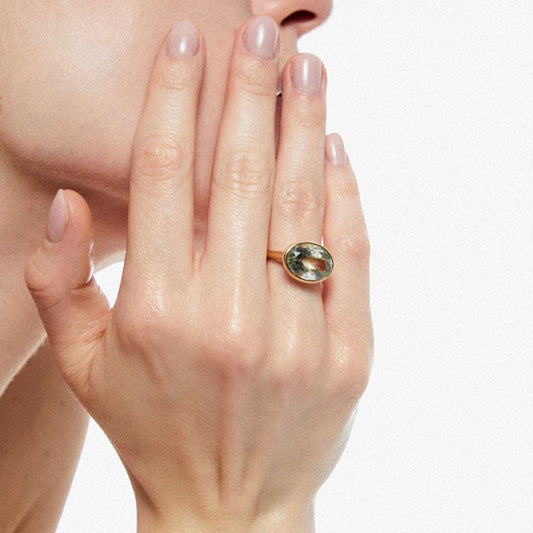
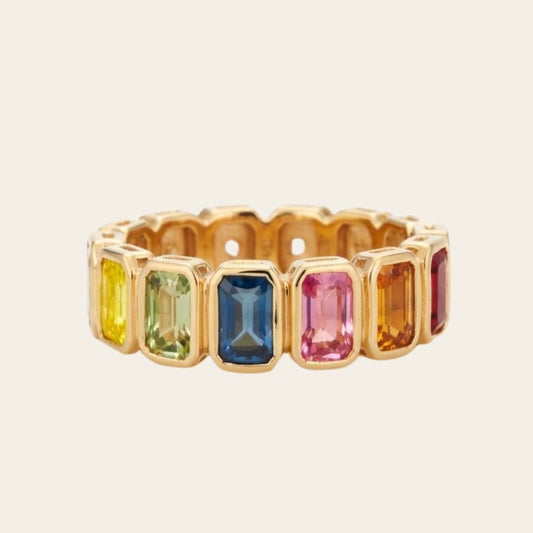
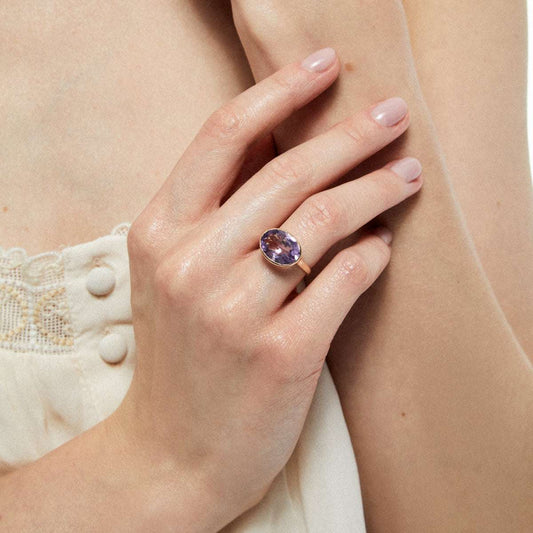
Unlike diamonds, many colored gemstones are valued for their individuality. Their charm often lies in subtle variations rather than standardized grading. In these cases, certification may provide limited added value for the customer experience.
Design-Led Jewelry
In many contemporary jewelry pieces, the focus is on design, craftsmanship, and artistic expression rather than on the technical grading of each individual stone. Here, the overall piece matters more than certification.
Certification is not about making a gemstone more beautiful — it’s about making its value clear, transparent, and trustworthy.
Some stones need it. Others don’t.
What matters is understanding when certification enhances the purchase — and when the beauty of the piece speaks for itself.
In fine jewelry, knowledge is part of luxury. And knowing what you are buying is the first step to truly appreciating it.


